
Sodium Tripolyphosphate in Cleaners and Food Processing
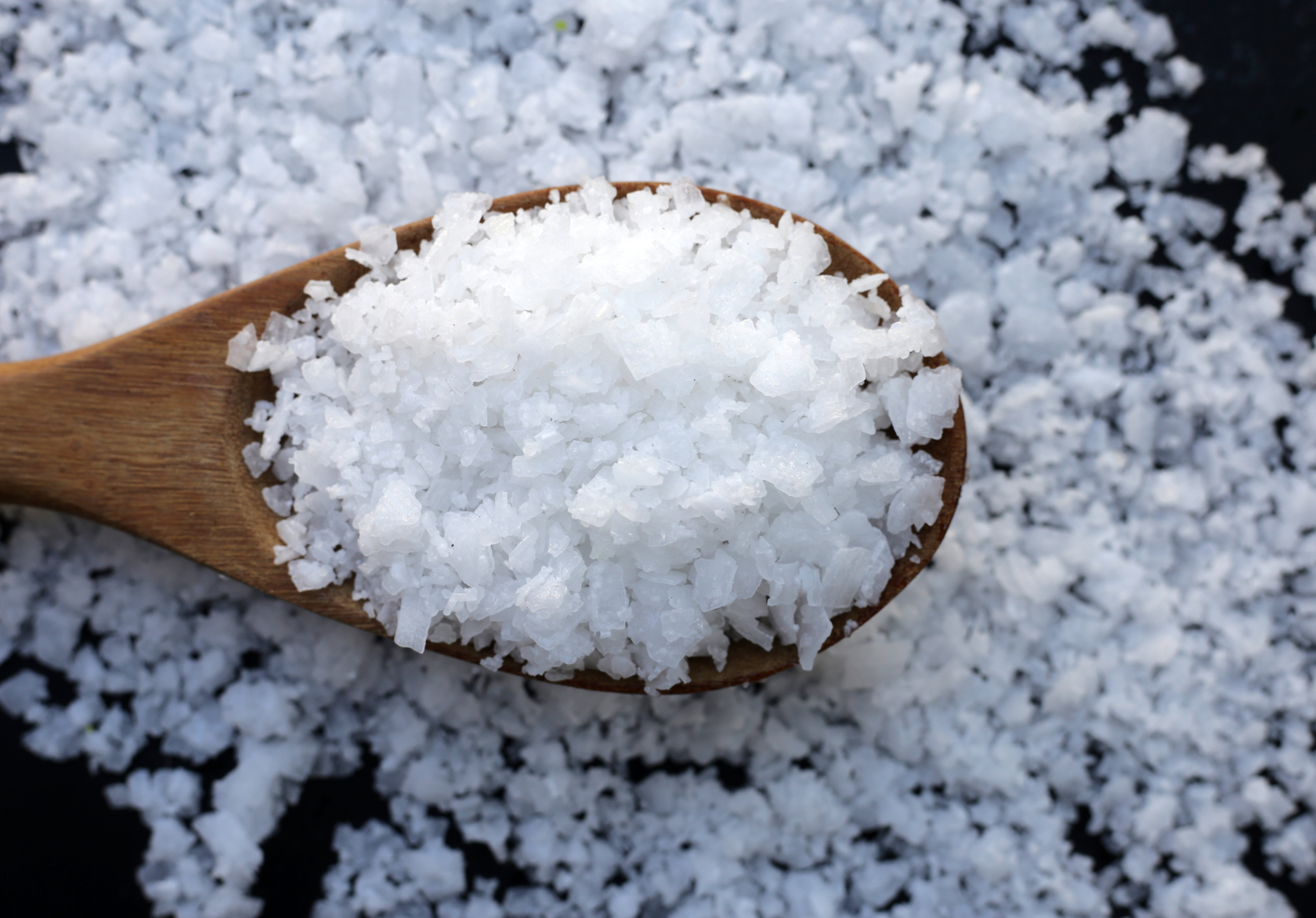
It is not often a chemical appears as a food processing aid as well as a cleaner and sequestrant, but sodium tripolyphosphate fills all these roles and more. Known more succinctly as sodium triphosphate or pentasodium triphosphate, and, very succinctly, STPP, this colorless sodium salt of triphosphoric acid is an extremely versatile chemical building block. Learn how your industry can benefit from stocking STPP by reading the below information from your cleaning chemical supplier, Bell Chem.
As a cleaner
Sodium tripolyphosphate appears in kitchen and bathroom cleaners because of its ability to catalyze surfactants and break down soils by deeply penetrating textiles. This proves useful in cleaners as well as laundry detergents, where STPP also whitens fabrics.
In hard water settings, it softens the water by buffering its pH. Since an alkaline pH promotes scale, buffering with STPP will prevent the buildup of calcium and magnesium ions, the main components of scale. More specifically, calcium and magnesium tend to interfere with surfactants during the cleaning cycle, and with STPP working as an emulsifier, surfactants have a greater chance of efficiently working.
In detergents, the addition of STPP as an ingredient replaces the need for a water softener, buffer, and dispersant since it functions as all these.
Hydrolysis easily occurs in high acidity unless STPP is an ingredient to stabilize the pH. When storing products, caking is often a negative outcome. The addition of STPP prevents caking over longer stretches of time.
In food processing
Water retention via sodium tripolyphosphate gives fruits and vegetables turgidity, improving the texture and consistency of meats. Packaged meats conserve their natural colors when aided by STPP. As a bonus, sodium tripolyphosphate doubles as a preservative.
The process of emulsification is more than blending water and oil, and STPP aids in the bonding of proteins. This gives structure to mammalian meat, fish, and poultry that would normally crumble when heated or marinated. This texture modification is useful in baked goods as a leavener as it improves the texture of bakery items.
The use of sodium tripolyphosphate in food processing and presentation, in cleaning, and in a vast array of other manufacturing is unique because of its variability, its cost effectiveness when compared to other chemicals, and because it has a long-standing and solid reputation.
Bell Chem is a food ingredient supplier based in Longwood, FL (just north of Orlando) with hundreds of products stocked in their 50,000+ square-foot warehouse, including sodium tripolyphosphate. You can expect the highest quality products, expedited shipping options for maximum efficiency, and unrivaled personalized customer service. Let our knowledgeable and friendly customer service representatives and accounting staff personalize all your needs by either calling 407-339-BELL (2355) or by sending us an online message.