
From Labs to Personal Care: Safe Uses of Acetone
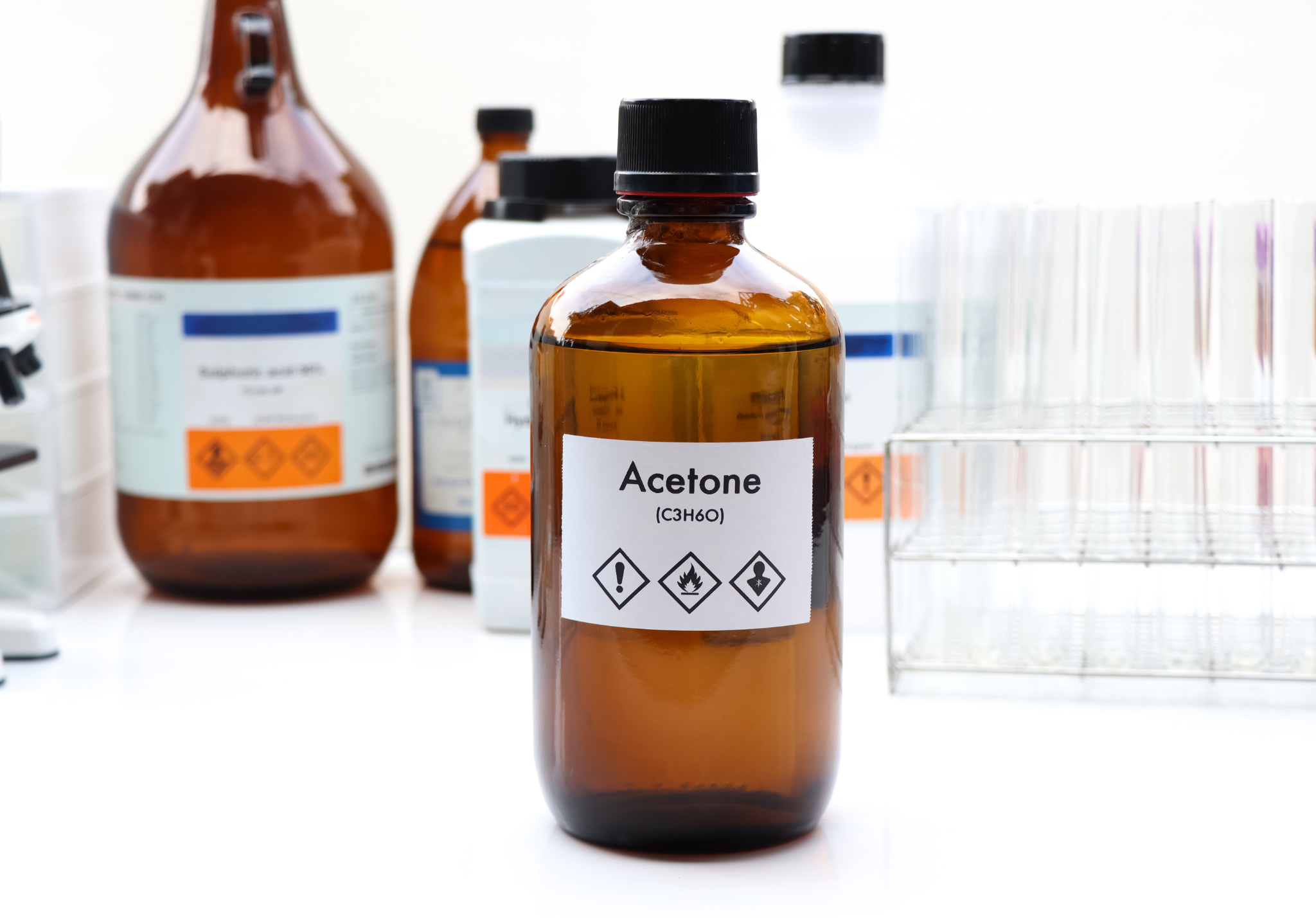
Acetone is renowned for its position in lab settings worldwide. This versatile chemical has applications outside the laboratory, however, and Bell Chem, your industrial chemical supplier, wishes to share a handful of its many uses with you.
In the automotive industry
Acetone is an ingredient within a vehicle’s paint where it acts as a solvent, it is used to clean manufacturing and automotive parts as a degreaser, or in the fuel used to run a vehicle.
In the electronics industry
Sensitive electronic components necessitate specific cleaners, and acetone’s evaporation rate exceeds most other solvents. In photolithography of semiconductor wafers, acetone removes unneeded photoresist. Circuit board manufacturers rely on acetone to clear resin-based soldering flux.
In industrial processes
The manufacture of plastic heavily relies on acetone as a solvent during the creation of acrylic plastics. When plastic parts are welded together, acetone quickly softens and bonds the components.
Consider the garments commonly worn by the majority of the population. Any material labeled polyester undoubtedly utilized acetone in its creation. Acetone dissolves the polymer, leaving a slurry that can be spun into fabric once the acetone is extracted to be used again.
Cleaning metal with acetone leaves no residue as it degreases and cleans surfaces for welding and painting.
Acetone excels at dissolution. When met with epoxies, lipids, resins, or varnishes, acetone destroys chemical bonds, separating the molecules for further use.
In the ink industry
Acetone aids in the dissolution of dyes and pigments to create ink at the correct viscosity for even coating of surfaces and drying speed.
In the laboratory
Acetone’s most well-known use is as a solvent where it can clean glassware, dissolve cellular and organelle membranes, precipitate proteins, remove pigments, and generate vapor pressure.
In personal care
Perfumes and fragrances rely on acetone as a solvent when extracting essential oils from plants since it has the ability to dissolve cellular structures to extract the necessary components.
In shampoos and skin lotions, acetone cleans and exfoliates, removing unwanted oil as it scrubs away dead skin cells and stimulates new cellular growth.
Dermatologists may recommend acetone to cleanse the skin before applying a chemical peel. Acetone removes any residual makeup or debris from your skin and allows the peeling agent to penetrate the skin more evenly.
In the pharmaceutical industry
Acetone is a key ingredient in manufacturing creams and ointments for acne. As pills, tablets, and liquid medications are created, fillers and active ingredients must be dissolved, and acetone excels at that task.
In the textile industry
Natural fibers such as wool contain oils and grease that must be removed before the fibers are dyed. Acetone’s degreasing property fills this need beautifully. Once the fibers are prepped for dyeing, acetone finds another use as it ensures the dyes are evenly distributed.
Silk is naturally sticky. Acetone removes the tacky substance on raw silk fibers before they are processed.
Bell Chem is an industrial chemical supplier based in Longwood, FL (just north of Orlando) with hundreds of products stocked in their 50,000+ square-foot warehouse, including acetone. You can expect the highest quality products, expedited shipping options for maximum efficiency, and unrivaled personalized customer service. Let our knowledgeable and friendly customer service representatives and accounting staff personalize all your needs by either calling 407-339-BELL (2355) or by sending us an online message.